
How Moisture Problems Can Attract Pests
Moisture problems inside the property can create ideal conditions for many common household pests. Condensation, leaks, damp environments, blocked ventilation, and standing water often attract insects and rodents searching for shelter, humidity, and reliable water sources indoors.
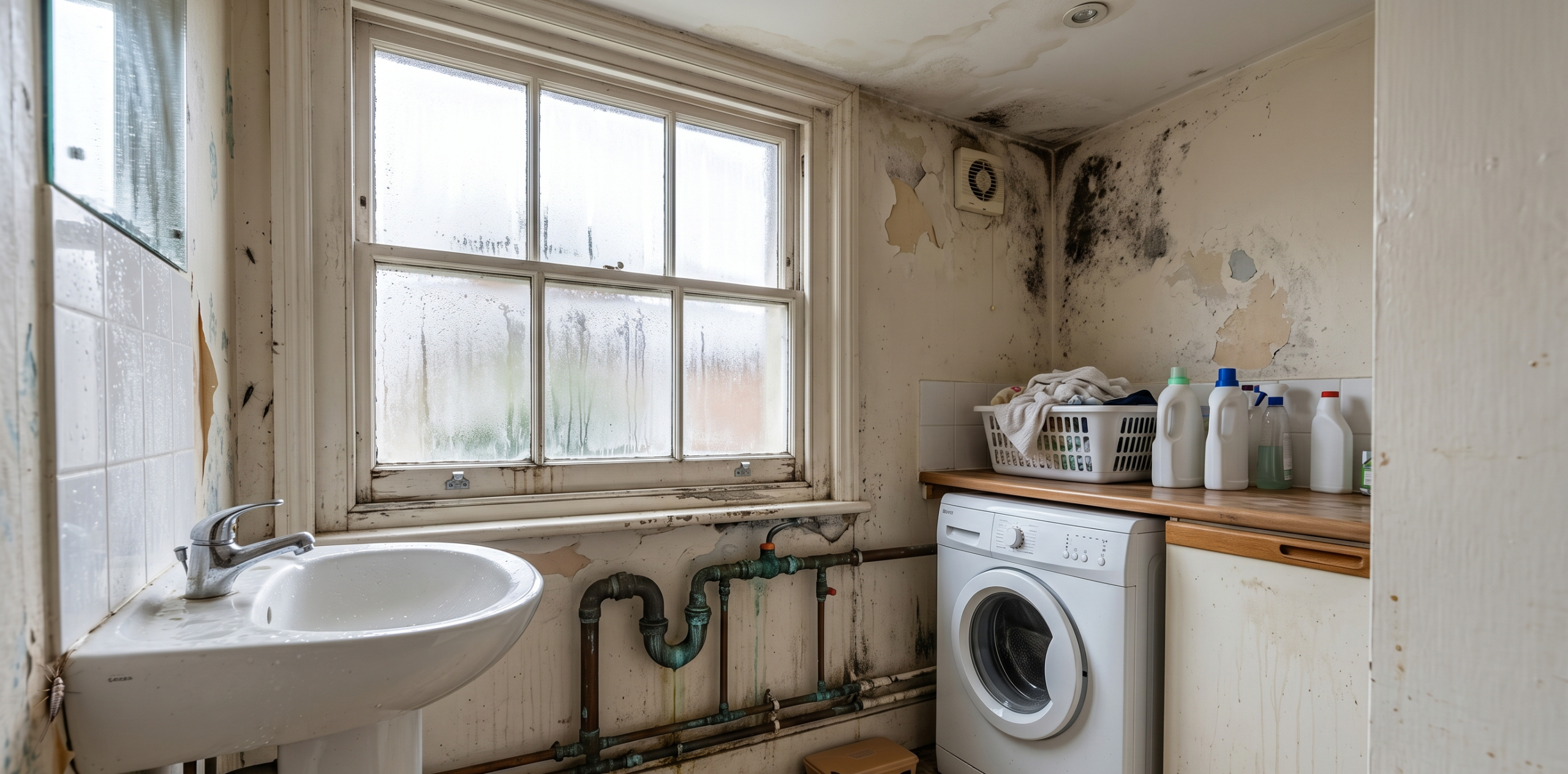
In London homes, flats, basements, kitchens, bathrooms, and shared buildings, moisture-related pest activity is especially common in older properties or poorly ventilated spaces where humidity remains consistently high.
Why Damp Environments Attract Pests
Many pests thrive in environments where moisture and humidity remain available for long periods. Damp areas also tend to provide darkness, shelter, warmth, and access to food residue or organic material.
Common moisture-related pest hotspots include:
- Bathrooms and kitchens
- Basements and utility rooms
- Pipework and drainage systems
- Condensation around windows
- Storage cupboards and lofts
- Areas affected by leaks or poor ventilation
When moisture problems remain unresolved, pest infestations may continue developing unnoticed inside hidden structural spaces.
Pests Commonly Linked to Moisture Problems
Silverfish
Silverfish are one of the pests most strongly linked to damp indoor conditions. They commonly appear in bathrooms, kitchens, storage areas, and humid rooms where condensation and moisture remain present.
Professional silverfish pest control in London often focuses on both treatment and reducing the moisture conditions supporting the infestation.
Cockroaches
Cockroaches are commonly attracted to warm humid environments with easy access to water and food residue. Kitchens, drains, utility areas, and commercial food preparation spaces are among the highest-risk environments.
Leaks, standing water, and hidden pipework issues may contribute to recurring infestations.
Flies
Drain flies and other moisture-related fly infestations often develop inside drains, stagnant water areas, damp organic material, and poorly maintained pipework systems.
Warm humid conditions may accelerate breeding activity during summer months.
Rodents
Rodents are also attracted to environments where water sources remain easily available. Leaks, condensation, and damp storage areas may help support hidden rodent nesting activity inside walls, lofts, and utility spaces.
Condensation & Poor Ventilation Can Increase Infestation Risks
Even without visible leaks, high indoor humidity and poor airflow may still increase infestation risks over time.
Condensation commonly develops around:
- Windows and frames
- Bathrooms and showers
- Pipework and utility systems
- External walls
- Storage spaces with limited airflow
These environments may create ideal conditions for pests to remain hidden and active indoors.
Why Moisture Problems Often Lead to Recurring Pest Activity
DIY pest treatment may temporarily reduce visible activity, but infestations often continue returning if the environmental conditions attracting pests remain unresolved.
Without addressing leaks, humidity, drainage issues, or ventilation problems, many pests may continue breeding or nesting inside hidden structural areas.
This is why professional pest inspection services in London commonly include checks for moisture-related infestation risks and environmental conditions contributing to recurring pest activity.
How to Reduce Moisture-Related Pest Risks
Reducing excess moisture indoors can help lower long-term infestation risks and make the property less attractive to pests.
This may include:
- Improving ventilation
- Reducing condensation build-up
- Repairing leaks and damaged pipework
- Keeping bathrooms and kitchens dry
- Maintaining drainage systems
- Reducing humidity in storage areas
Professional Pest Inspections Across London
At London Heat Treatment, professional pest inspection and pest control services are available across London for homes, flats, rental properties, restaurants, commercial kitchens, and businesses affected by recurring pest infestations and moisture-related activity.
Professional inspections help identify hidden infestation risks, environmental conditions attracting pests, and the most suitable treatment and prevention measures for the property.